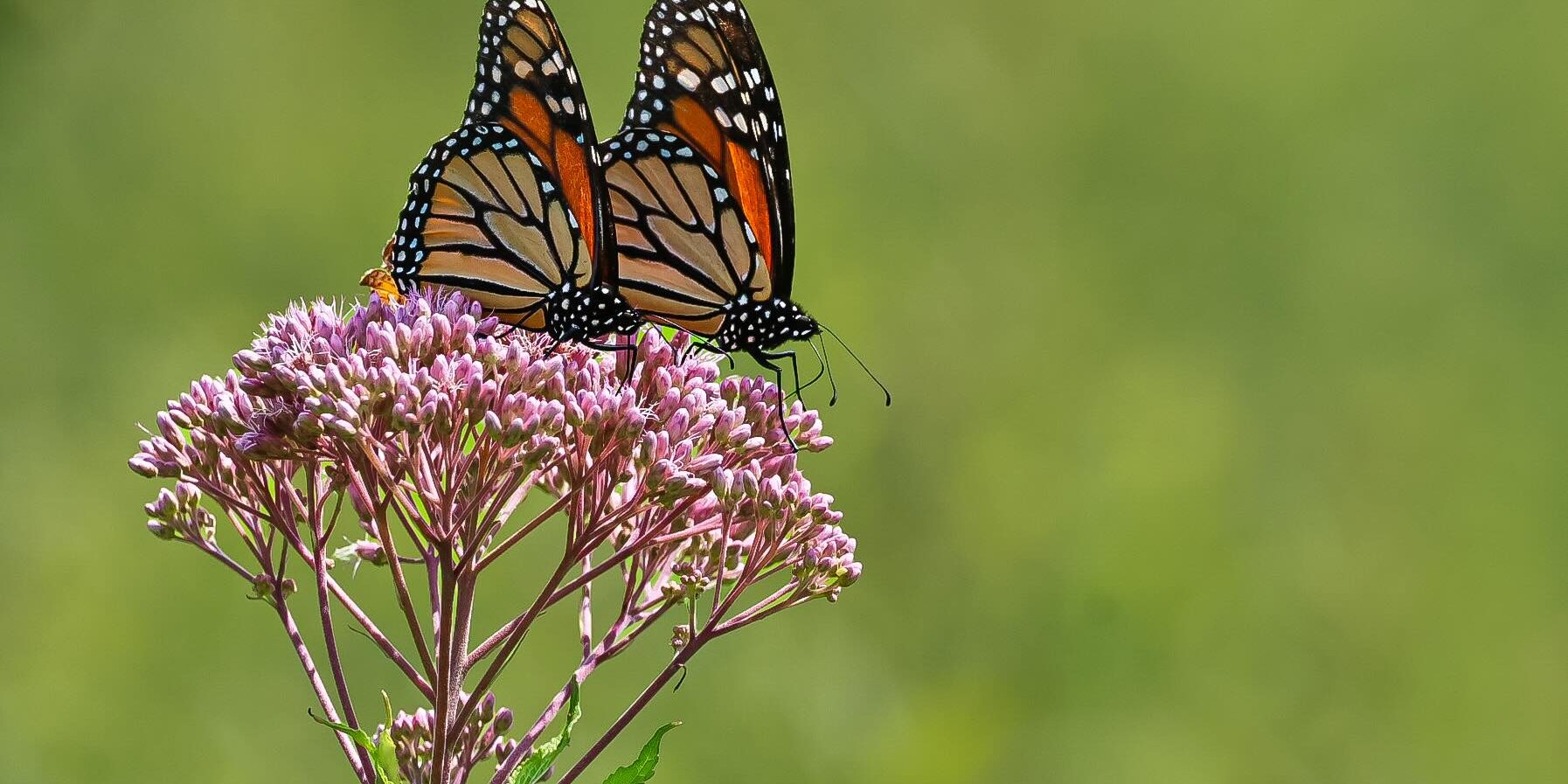
“Even today, when the planet is dark, there is hope.” – Jane Goodall
I wanted to begin this blog by describing an intense moment I had behind the camera that moved me towards activism. However, I can’t. For as long as I can remember, I was intrigued and in love with nature. I was the little girl collecting cicadas, rocks, and toads. I spent my spare time during childhood illustrating ant colonies and looking into a microscope.
If you were that person too, then you might be struggling with what’s happening to Planet Earth, but I am here to remind you that every action is part of the greater good.
Then grab your camera, a notebook, and let’s use our work for good.
In this blog, I list out five ways you can use your photography to advocate for nature.
Become a voice for nature
It wasn’t until a recent art residency in Iceland that I realized my photography approach was becoming more research-based than image-based. Before sunset, I would head out into the field to take photographs, record sounds, and observe the behavior of the island’s migratory bird life.
This was driven by a genuine drive to help. It was no longer about taking that award-winning image, perfectly lit and composed, but about learning and being an advocate.
It was during this time that I shared many late-night conversations with my roommate, an artist who specialized in ecology art and environmental science, about research-based art and the state of our planet.
During these talks, I could feel the despair welling up inside of me when the state of our oceans, habitats, and environment came to mind. It felt so hopeless.
My roommate said something I will never forget: never forget we are privileged to witness the planet during this time. We are witnesses, and that alone is the art.
It may sound strange to believe such a thing. Why would anyone feel privileged to witness our planet in peril at the hand of corporate greed and political wars? Why would I want to witness our oceans changing, bird populations declining, and monarchs on the path towards extinction due to pesticides and habitat loss?
Because this is it. This is our chance to all be aware and do something. This could be a pivotal moment in history where humankind has finally had enough, and the defenders of nature can speak up.
Recently, the great guga hunt was canceled. This was not a random event, but the result of thousands of voices coming together, saying enough. If you search, there are many examples of species making a comeback because of advocacy:
- The American Oystercatcher faced extinction before aggressive conservation efforts were put into place.
- The Bald Eagle was on the brink of extinction in the 20th century until federal protections. The US banned the pesticide that was accumulating in their food source and established the Bald Eagle Protection Act.
- The Humpback whale was almost hunted to extinction until international anti-whaling laws were established.
Although these success stories highlight the importance of public opinion and involvement for conservation, wildlife is facing a whole new challenge, with accelerated habitat loss being the number one reason for population declines in N. America. This is even more the reason why we all need to be a voice for nature.
If you are someone who enjoys photographing nature, whether it’s wildlife, landscapes, scenery, or macro, you can make a difference and be a voice.
Here are five ways to be an advocate for nature with the lens, no matter the focal length!
Ethics first
It begins with ethics. You can’t be an advocate for nature unless you are ethical with the camera, and there are many ways to do this besides not baiting.
- No disturbance. It happens. You are hiking along, and suddenly a bird is flushed beside you, or you are waiting in stillness and a sudden, uncontrollable move frightens wildlife. I am referring to intentional disturbance and mindful presence. At the start of your photography journey, or perhaps a new species, it may be difficult to discern how and when you know you are disturbing wildlife. An eagle will stare or vocalize, but a fox may lower its ears and not move at all. The only way to learn this is to learn behavior, keep your distance, and when you have the opportunity to join another more experienced photographer, take it. It’s best practice to wait in stillness and do not approach wildlife. In some cases, wildlife will approach you ( it has happened to me!). In those cases, stay as still as possible, and do not interact. Keep the wild wild is the motto!
- Leave no trace. When you are in the wild, keep it wild, and leave no trace behind. Also be mindful of your steps near sensitive flora, especially in places like Iceland or above treeline.
- Leave nests and dens alone. This is contested, but I can tell you I do not feel comfortable photographing nests or dens unless it is for a scientific need and I am very far away. The problem with nest and den photography is you are risking disturbing wildlife during a very sensitive time. The results could be catastrophic. For me, it’s not worth it.
Environment shots and f#%k AI
Tight portraits are often favored by the algorithm, but they are ruining wildlife photography. Tight portraits are beautiful because they capture fine details such as feather barbs or eyes, and can be very impactful if done right (and ethically).
However, they lack the habitat and add too much pressure for photographers, who must get closer to get a good photo.
A habitat shot, on the other hand, tells a story. It shows the places our wildlife call home. According to Cornell University, habitat loss is the number one contributor to the net loss of nearly 3 billion birds since 1970.
All the more reason why we need to be taking and showing those habitat shots. If you are into YouTube or reels, consider making educational videos or visuals highlighting key habitats near your home. Take every opportunity to show and discuss habitat.
With that, limit AI tools as much as possible. I say as possible because I feel like AI is slowly creeping into every facet of our lives. From Photoshop to Meta to Google, it’s everywhere.
If you have been following any environmental news, you are well educated on the detrimental effects AI data centers have on habitat, from destruction to water usage. Keep an eye on your local news, speak up, and be sure to sign every and any petition against AI data center proposals. These things have to be stopped before we have nothing left.
Biodiversity loss happens quietly, in the background as time passes; its effects are almost totally unnoticed until one endling remains.
There is always hope, but it begins with us.
Volunteer
Following a one-month stay in Iceland photographing wading birds, I volunteered as part of a beach cleanup with the Blue Army and the US Embassy. After observing juvenile Oystercatchers feeding on the shore, I knew how important it was for our birdlife to keep our beaches clean. This summer I volunteered as a bird bander, and I am currently in training to become a land steward.
The more time you spend observing wildlife, the more you fall in love and the more you want to do something to protect it.
One of the best feelings in the world is volunteering my time to help wildlife. It was also during this time that I made some great connections, learned more about various species, and even discovered new places to take pictures.
A few examples of how to get involved:
- Research local conservation groups near you, such as conservancies, environmental conservation groups, or water/land stewardship programs.
- Participate in a beach cleanup, and if there is none near you, organize one or organize a local trail cleanup day.
- Volunteer your photography to an animal rehabilitation center or nature conservancy.
- Donate your work to a research team or organization.
Donate profits
If you are creating your prints from your photography, you can always donate a portion or all of the profits towards a related organization. For example, all proceeds from my puffin calendar or puffin shopping tote go towards the Puffin Project, a seabird protection initiative under The Seabird Institute in Maine.
This is a great way to give back and raise awareness for any species!
Educate, educate, and then educate some more
I believe it is our responsibility as nature photographers to be educated on our subjects. The more educated we are about behavior, ecology, and habitat, the better pictures we can take, and the more we can share this with our viewers.
A few ways you can use your photography for educational purposes are:
- When sharing a photograph on social media, consider adding a few facts about your subject.
- If the photograph features a behavior or habitat, teach us about it! What does this behavior mean? What kind of habitat is this, and what challenges does it face?
- When creating reels or video content, consider creating an educational video about the species that features something unique about them. For example, what does this species contribute to our planet? What human-made challenges does it currently face, and how can we help to overcome them?
There are many other examples of how to use your photography for educational purposes. Everything from subtle ways such as sneaking in some information when showing an image to hosting an event such as a bird walk.
Here are my go-to reliable sources for facts about species:
The Xerces Society for Invertebrate Conservation
Team Nature
When we are faced with grim facts about bird populations, climate change, and the health of our oceans, it is easy to succumb to a depressed state. It may feel hopeless or as if you can’t make a difference, but you can.
In the story of Norse Cosmology, the end of the world, a time known as Ragnarok, most of what had existed is destroyed, even the gods. However, the story continues because deep within the earth remain two beings, “Life and pulsing with life.” Because of this, there is hope.
There is always hope, and as long as we have it, there is always a chance.
Don’t lose hope.
Here is a photograph I took of fireflies in Northeastern Pennsylvania in July. Scientists are in agreement that up to 33% of firefly species in North America are at risk for extinction due to habitat loss and pesticide use. The image is 40 photographs stacked at a 30-second exposure.
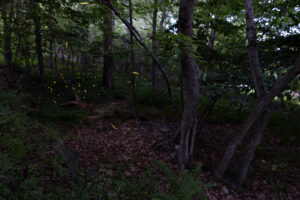
Fireflies (photuris pennsyvanica) July 2026 @ariellearcticphoto