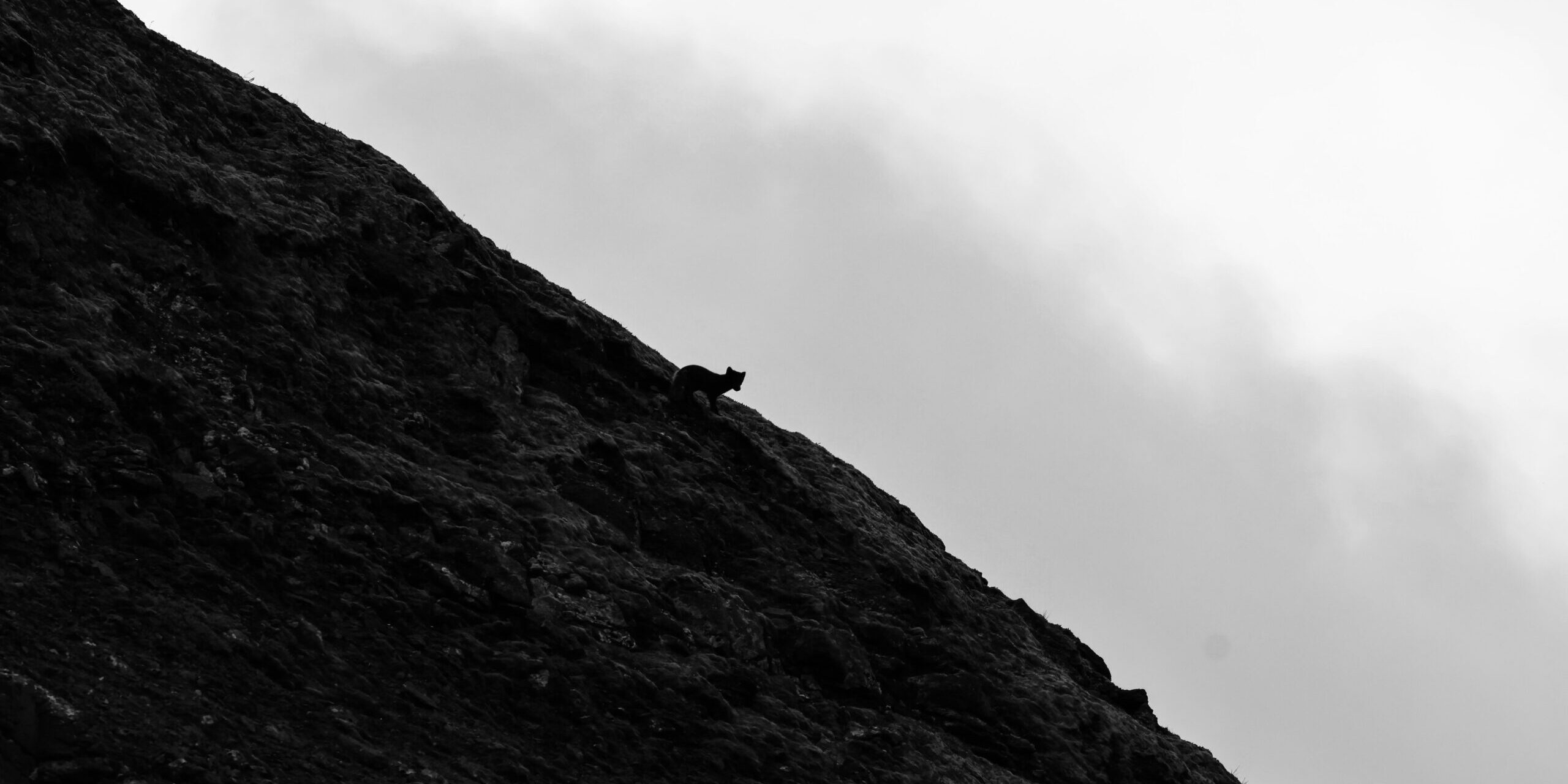
Photographing the Arctic fox is a gift, and observing them is unforgettable.
For the Arctic fox survival on Hornstrandir is a delicate balance between courage and risk. For seven days I had the opportunity to observe them in one of the most remote places in the world.
What I witnessed was both tragic and beautiful.
This is the story in both images and words.
The edges of nowhere
Disconnecting from the world on Hornstrandir
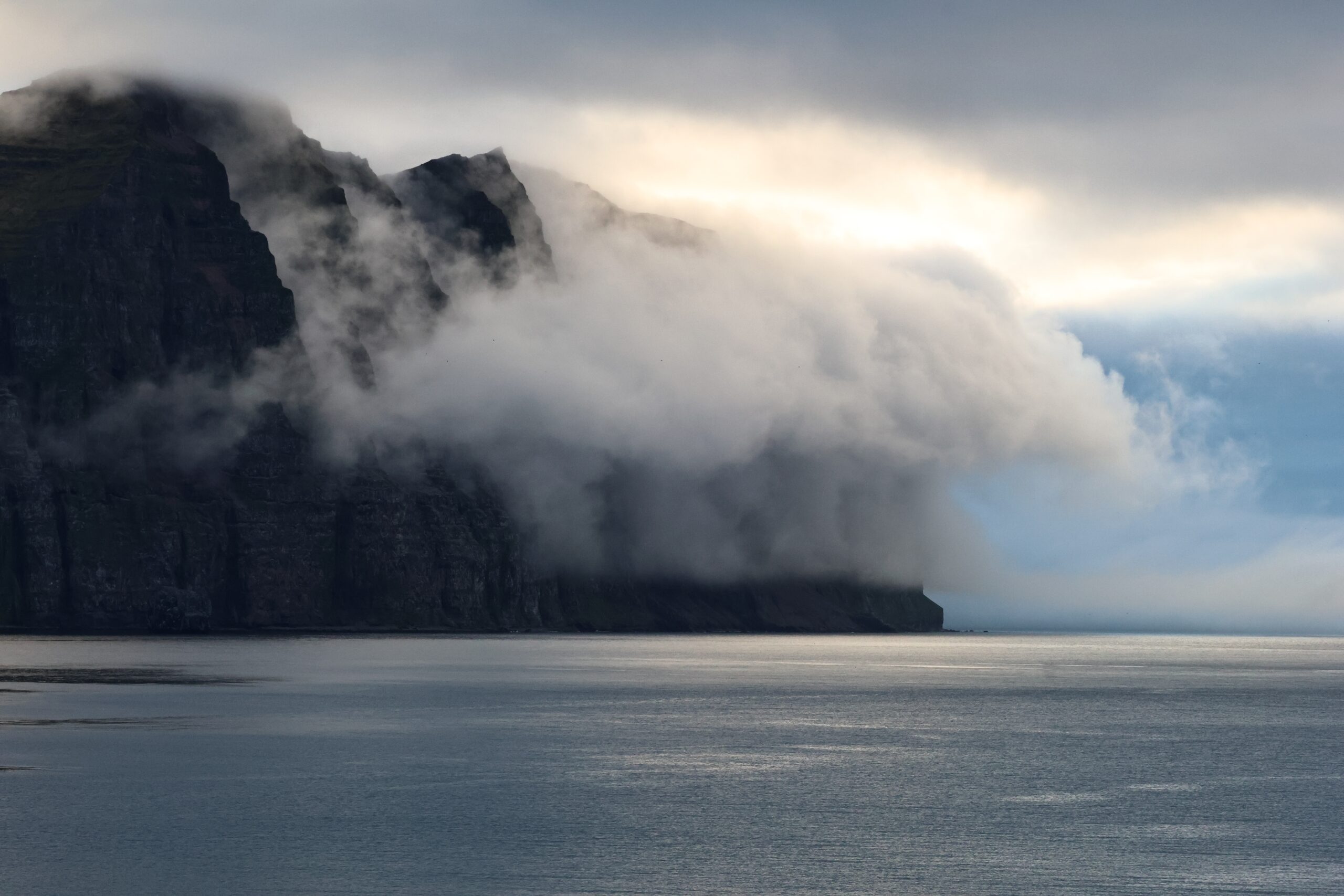
Welcome to Hornstrandir, a remote nature reserve in Iceland’s West Fjord region and home to the Arctic fox.
Remote and rugged, you do not tour Hornstrandir; you experience it.
Hornstrandir piqued my interest on my first visit to Iceland in 2021. As someone drawn to edges, vast spaces, and remoteness, it was a must-do destination.
Over the years, I have had the pleasure (and some pain) of experiencing Hornstrandir in a variety of ways, including trekking and even a winter trip to photograph Arctic foxes.
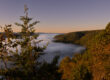
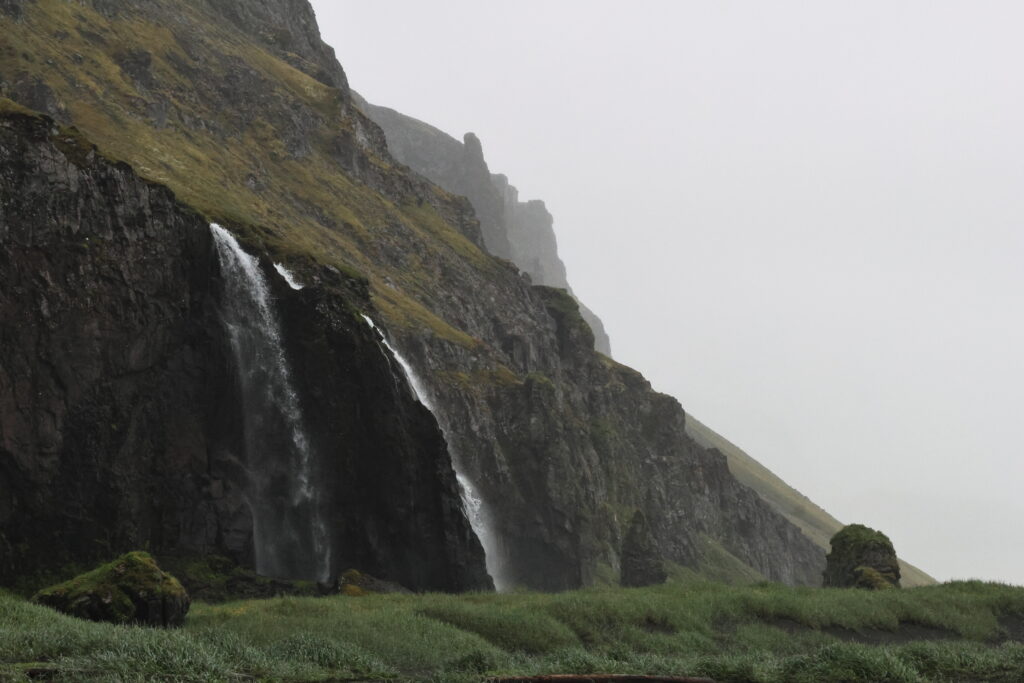
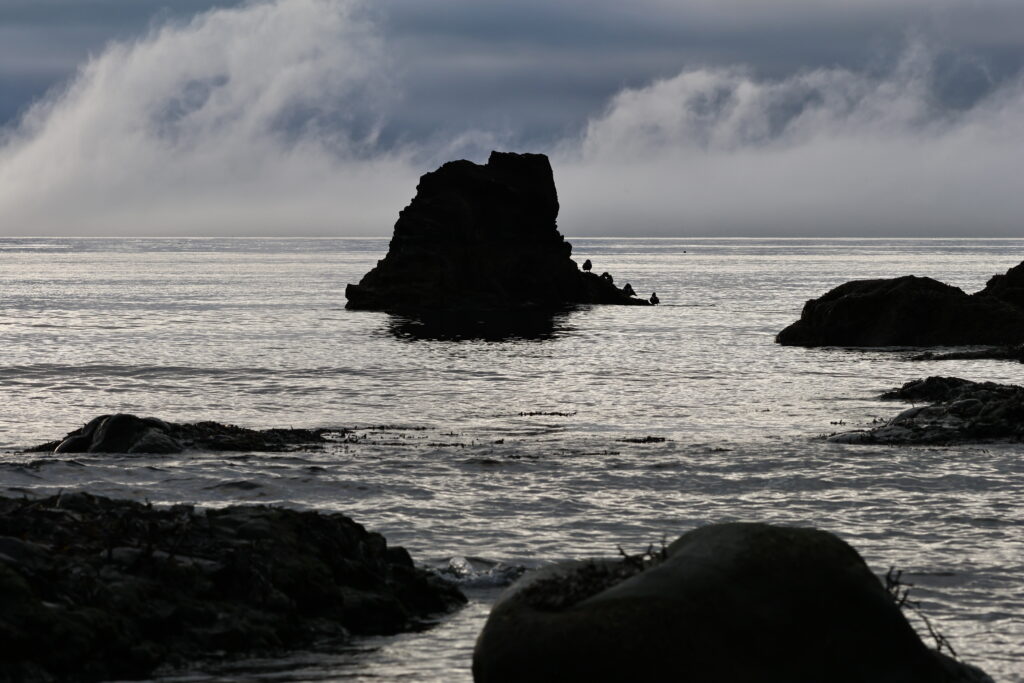
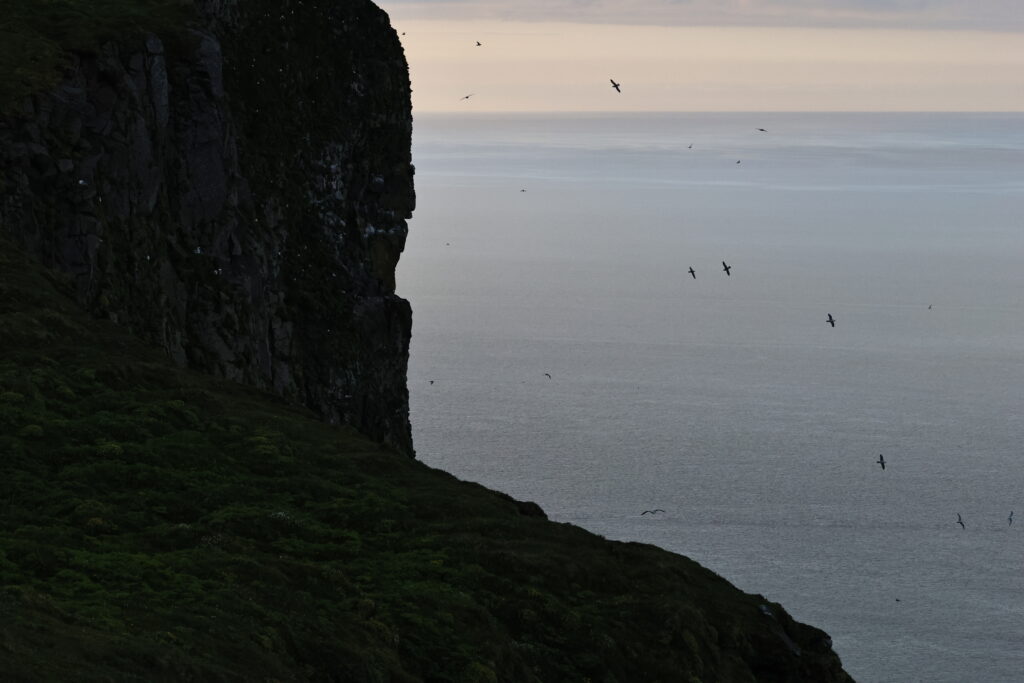
In Hornstrandir, you will find a plethora of scenes that tell a story. It is the perfect location for Arctic fox storytelling. Sandy dunes meet jet-black beaches. Otherworldly green slopes lead you to rocky cliffs that cut the clouds.
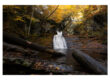
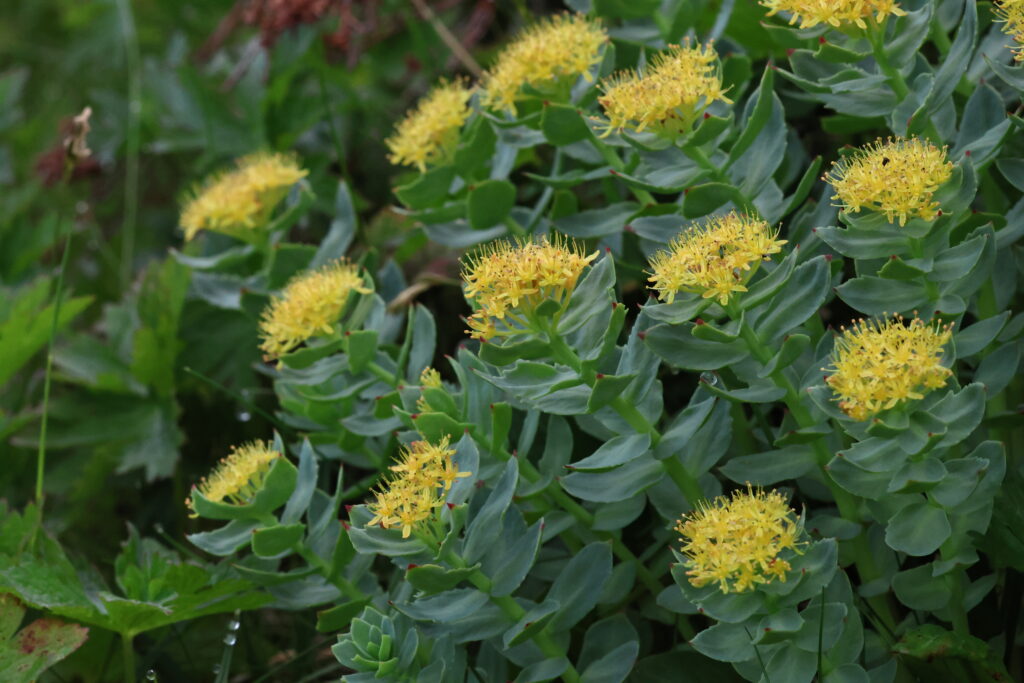
Waterfalls tumble from windswept landscapes where glacier rivers snake and wildflowers bloom beneath the midnight sun. Fog creeps along the marshes as the Whimbrel’s song echoes.
Within this northern place, time stands still. You will feel small yet part of everything.
It is a place for those willing to dare to experience the raw Icelandic elements.
It is a place where landscapes come alive with stories, and your soul remembers them.
It is a place where Iceland is still Iceland. Raw, wild, rugged, and free, connected with the spirit of the Arctic fox like the tide-swept seaweed and surfing ducks.
For me, there is no better place than to observe the Arctic fox.
Moments with the ghosts of Hornstrandir
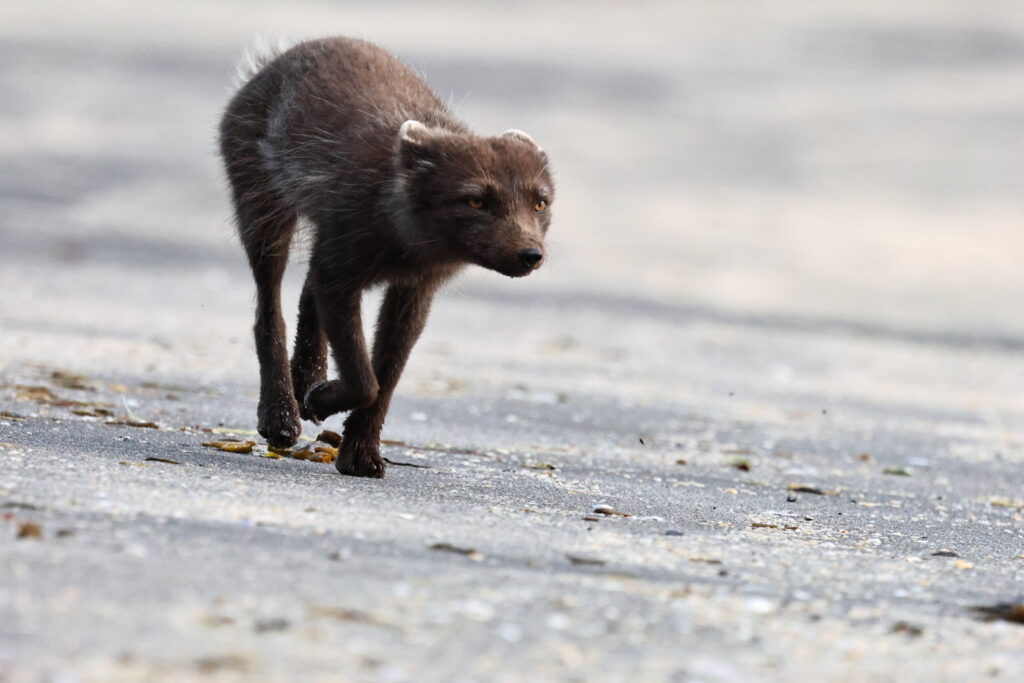
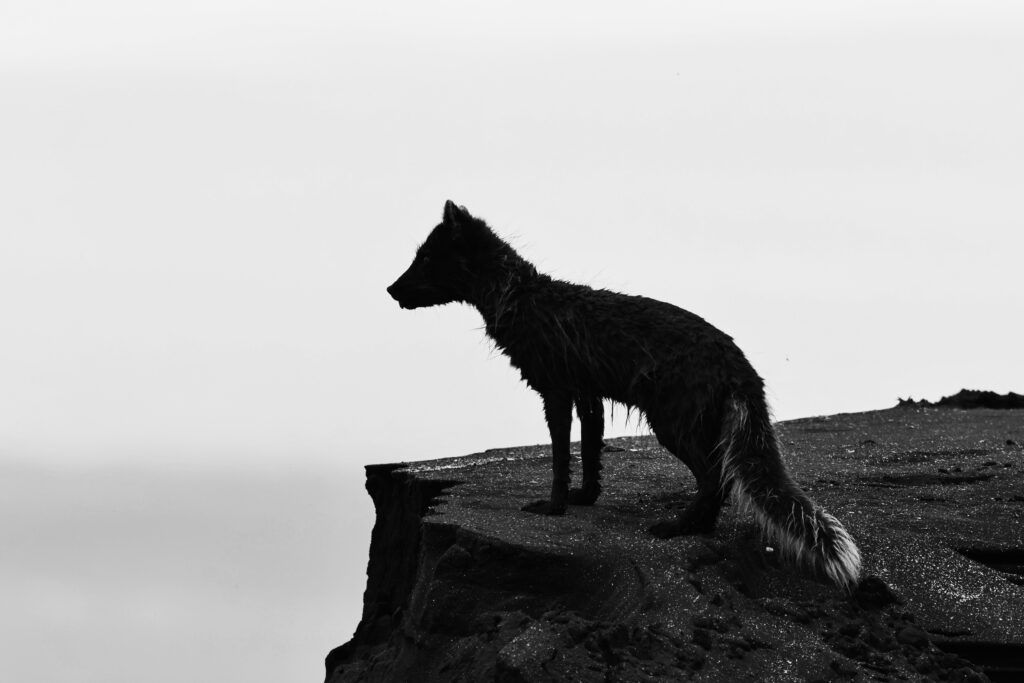
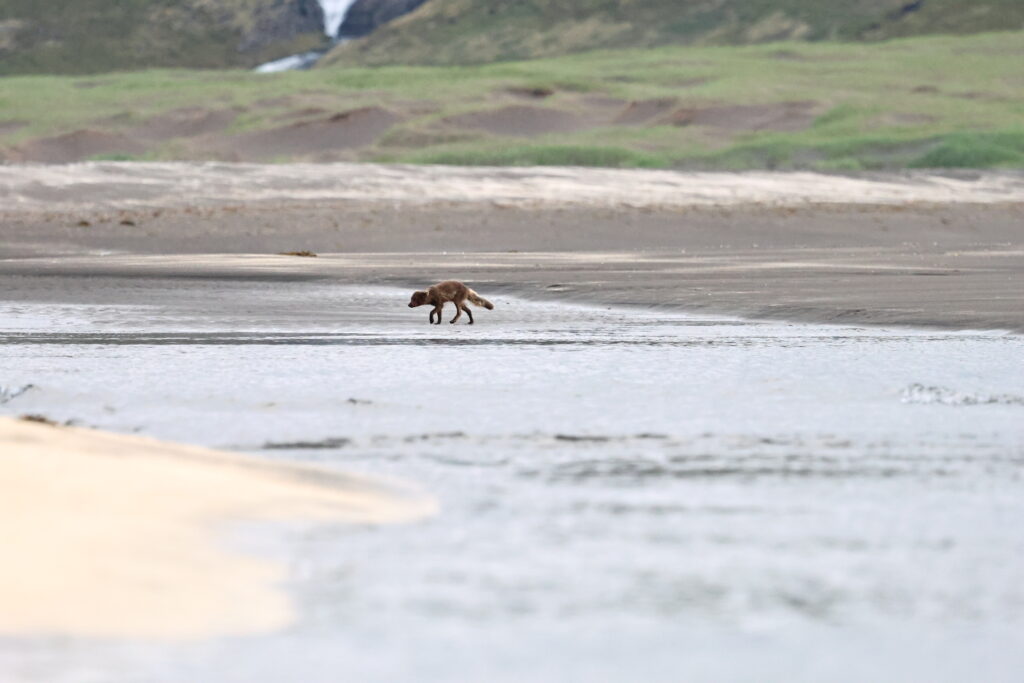
- It is after midnight, and the tide draws low. Fog creeps across the dunes, revealing a ghostly scene. An Arctic fox emerges from the marsh. Snout lowered, he creeps along the coastline. This is his kingdom and his night to defend it.
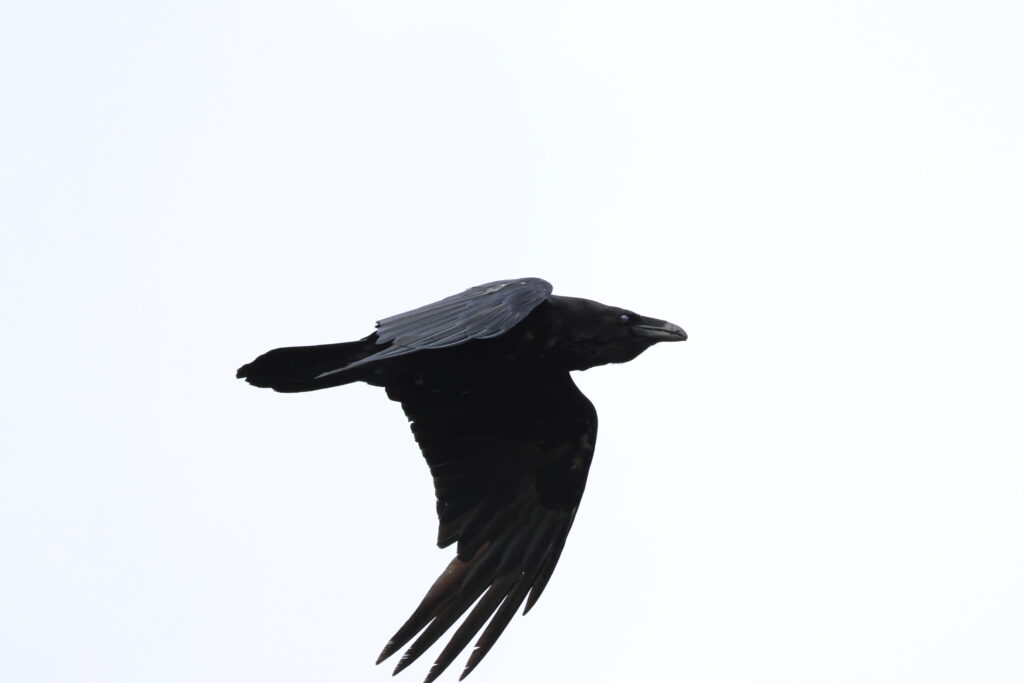
- A pair of curious cubs venture from their den. A raven soars with watchful eyes. What transpired next was the unfortunate price of youthful courage.
- It is nine o’clock at night and the golden light filters through the clouds. I sat alone beside The Big Black Rock, pressed into the grey sand below me. Beside me, a White Wagtail fluttered and flicked, indifferent to my presence. I could hear the waterfall, a surge above the lapping of the waves. He appeared ahead on the beach. Lowering myself, I watched his every move through my viewfinder. As he closed in, I set the camera aside, wanting to see him with my own eyes. He paused beside me, sniffed the air, and like a ghost, was gone into the dunes.
- The fox crept along the cliff above the pond with ease. I marveled at its agility.
- We discovered her sleeping on the hillside. It amazed me how, in such a vast place, her presence felt enormous.
- Throughout the night, I was awakened by the insistent bark. It echoed across the cliffs, and was matched by another to the south. It was their domain, and we were just visiting. Shivering, I drew my sleeping bag closer. I had never felt so small.
A rare image
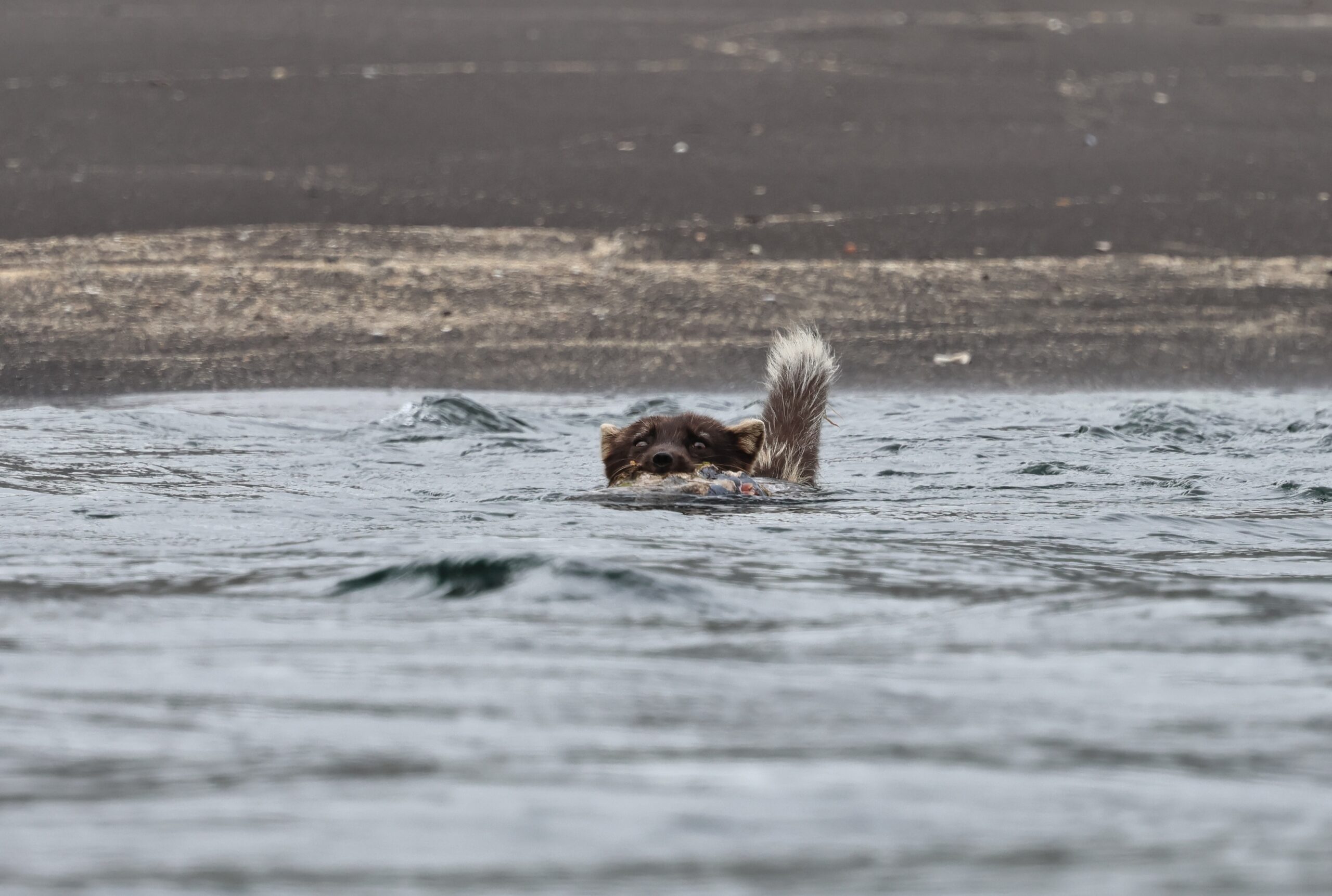
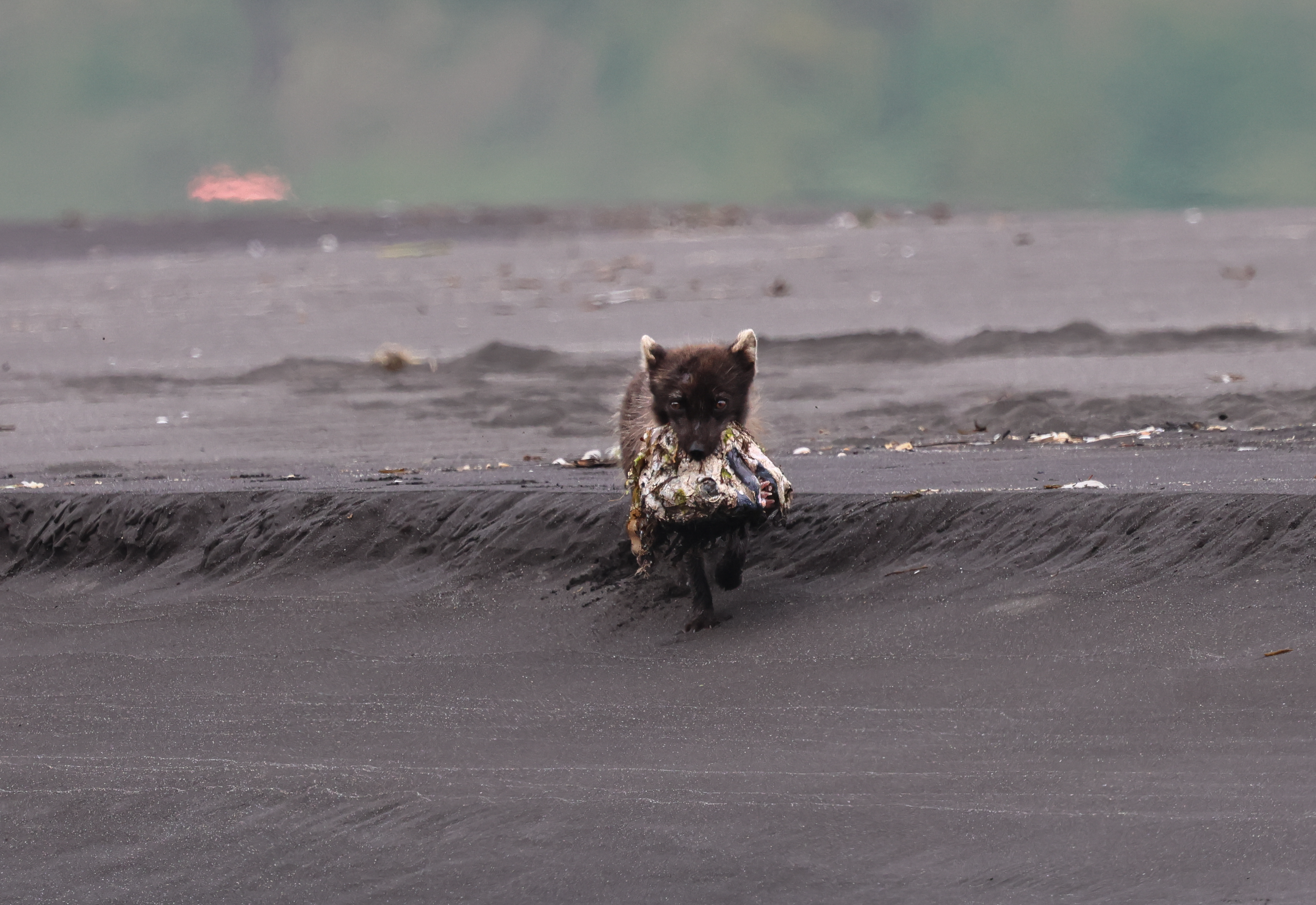
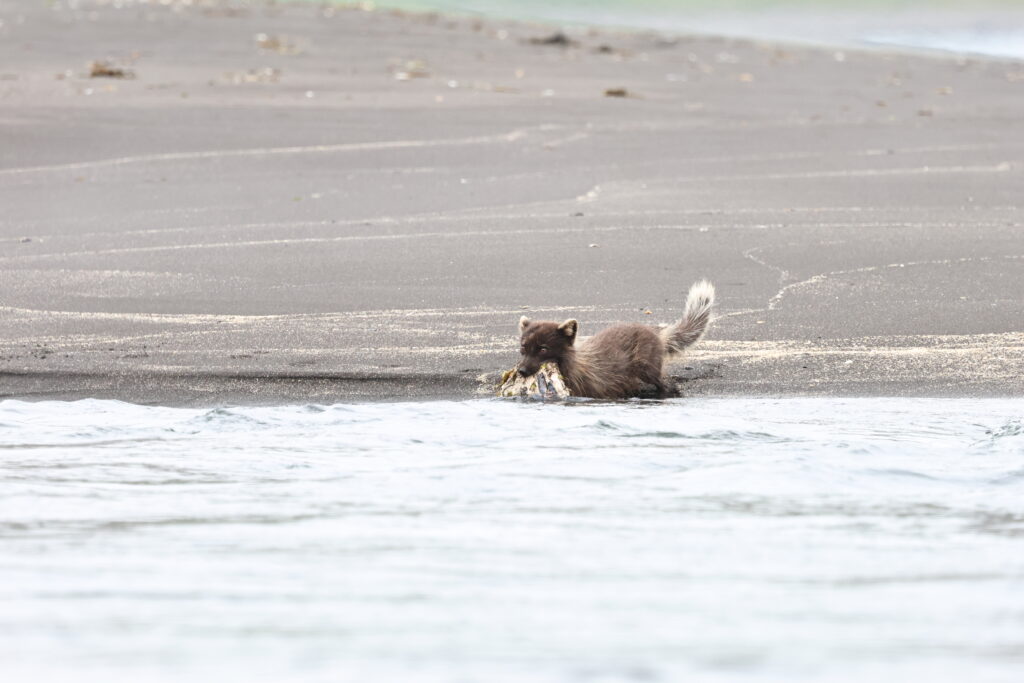
We had the privilege of witnessing a rare behavior when an Arctic fox attempted to cross a river at high tide. It is a moment I will never forget.
It was late morning when we scouted the beach. We studied footprints, patterns, food sources, light, and wind direction. Low tide was imminent, and as we settled in behind the driftwood, I hoped my intuition was right.
Fog crept along the sand dunes, revealing the landscape. Beside us, the fresh prints in the sand told a story. She was nearby, and it was only a matter of time.
As I had hoped, she appeared directly across the river. Zooming in, I could see her search was victorious.
Jaw clamped on her prize, she trotted down the riverbank.
I propped my camera onto the driftwood and readied myself for the rare moment we were about to witness.
Muscles tensed as I watched her next move. Without hesitation, she descended the sandy slope and entered the water. The tide was high, but she was tenacious. I imagined this was not just meant to cache; perhaps she had cubs to feed.
Tail afloat, eyes fixed on the shore, she made her way towards us.
As she neared, the current drifted her sideways. I held my breath as she struggled. holy shit, I whispered to my companion, who was fixed to his camera. I was certain he was feeling the same thing I was.
Would she make it?
Behind the dune, her shape disappeared. She must have emerged, but she was out of sight. I resisted the urge to stand or shift my weight to see her. This moment was not over.
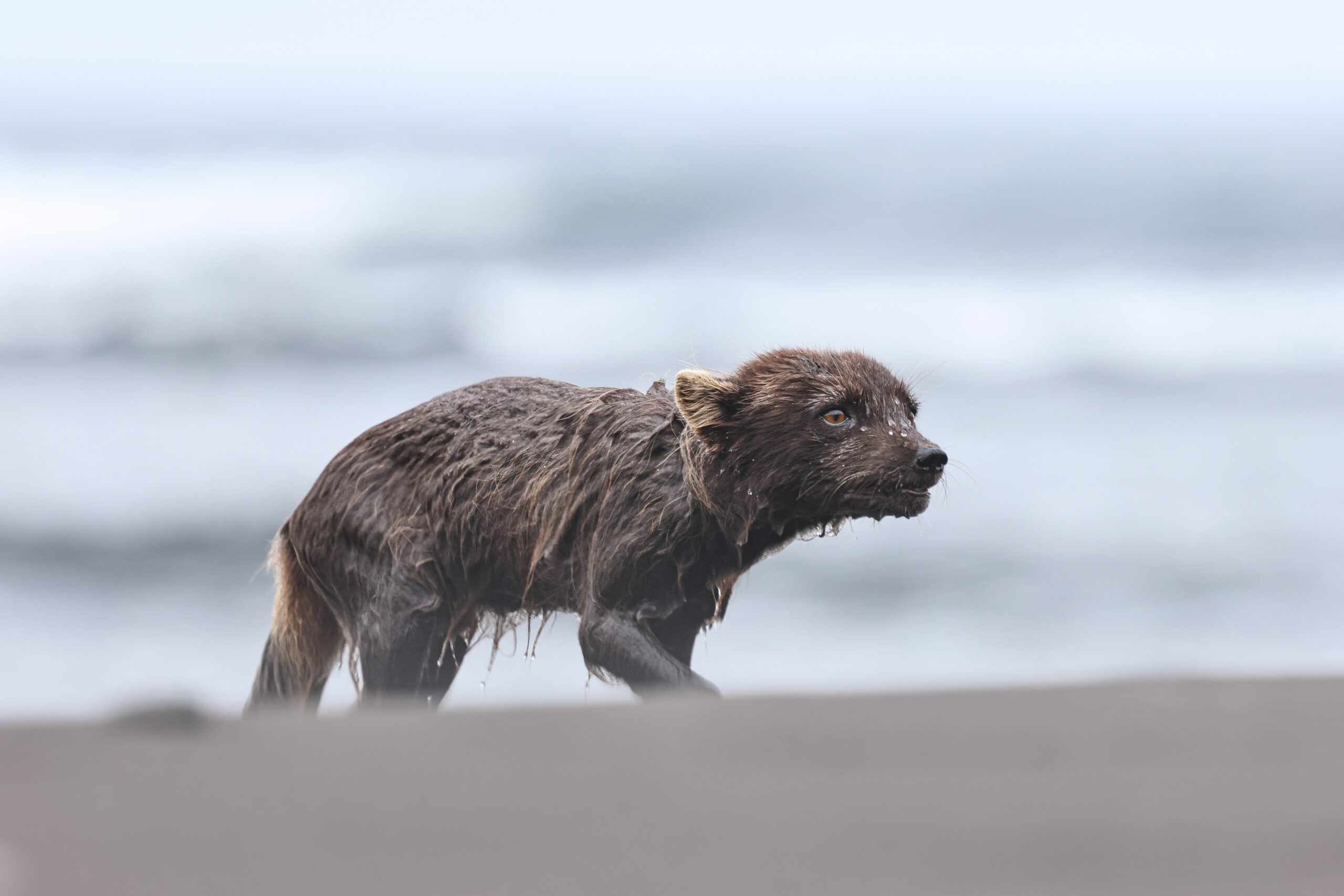
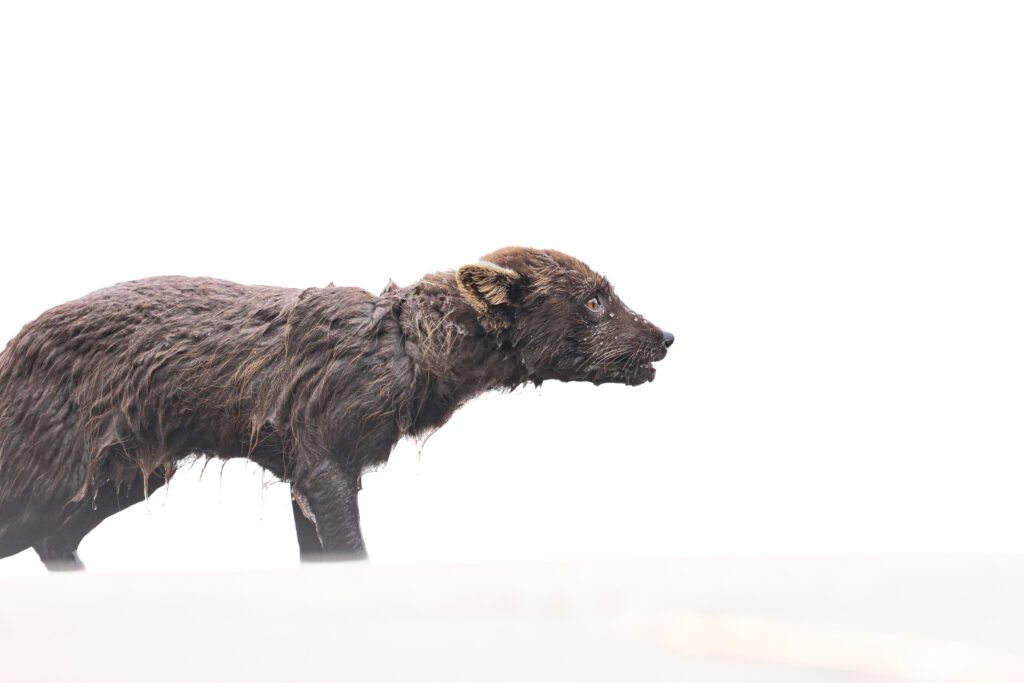
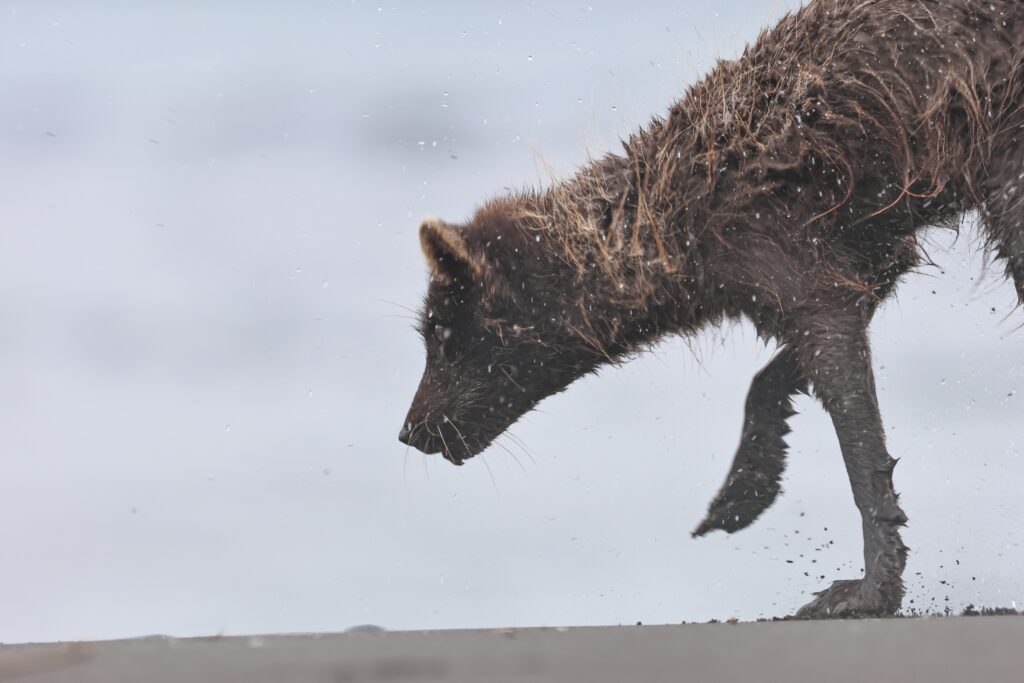
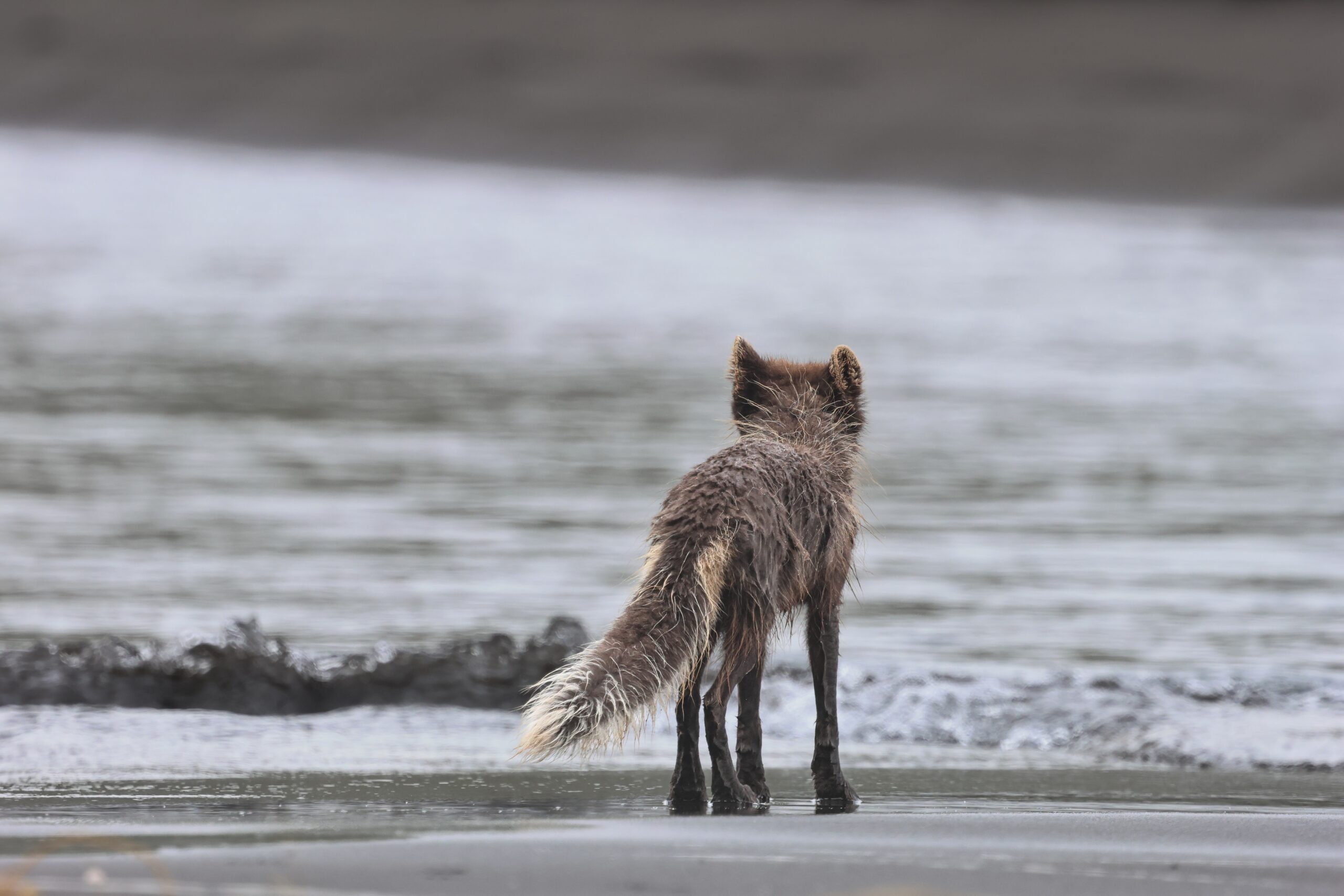
Seconds later she came into view, empty-mouthed and soaked. After a good shake, she climbed atop the dune for a better view. The river had taken her food.
Trotting up and down the beach, she continued her search. All that courage for nothing.
Then she faced us. Eyes locked, I lowered my camera. I needed to see her without the glass between us.
It was heartbreaking, and I had never felt so helpless.
Territory wars
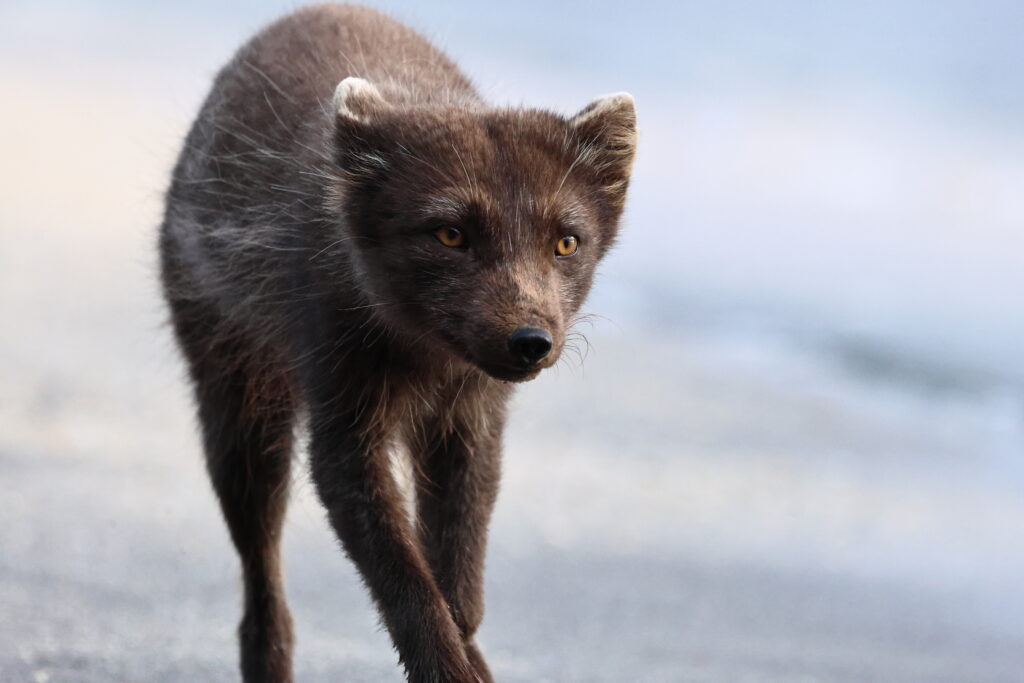
There are two kinds of Arctic foxes in Hornstrandir: cliff foxes and beach foxes, and the difference between them means survival.
Arctic foxes are highly territorial. As early as February, male foxes begin their patrol, marking their territory with urine and barking.
Territory location and size are determined by food availability. Sparsely populated areas often define a larger territory, but it is not uncommon for a territory to be ten kilometers or more.
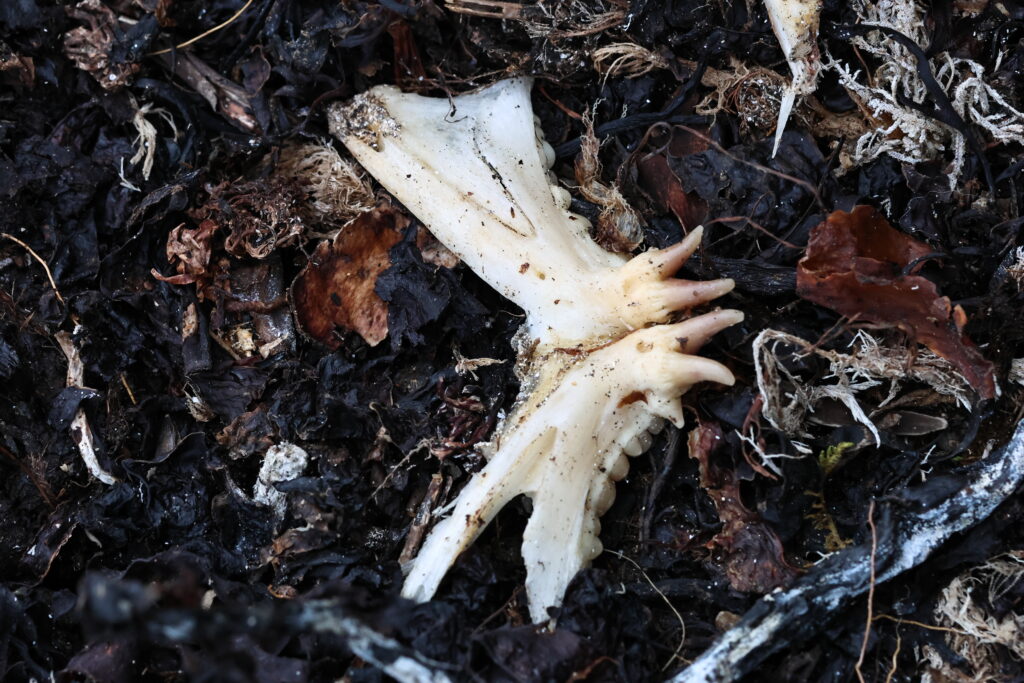
Arctic foxes are opportunistic scavengers; their diet consists of bird eggs, fish, mussels, seabirds, carrion, and dead seal carcasses, and it varies heavily with territory.
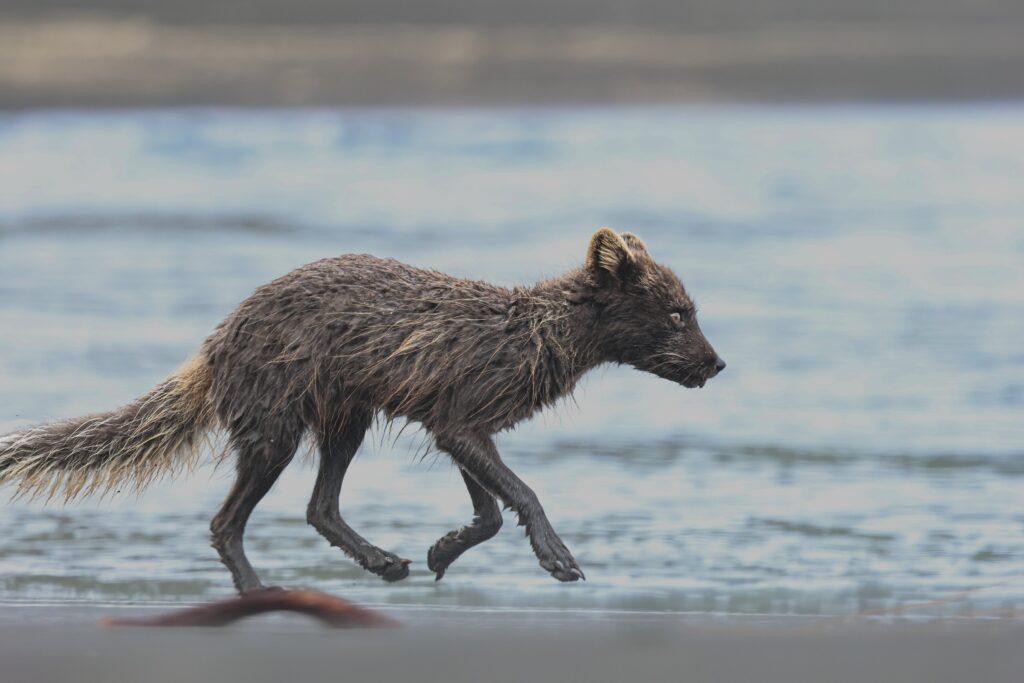
Beach foxes were observed patrolling the shore during low tide in search of food, but I also observed them active during high tide, especially the females with nearby dens.
Cliff foxes den and hunt mostly in the uplands, on the moors and cliffs. It is theorized that the number of cliff foxes versus beach foxes will be determined by food source availability and is heavily dependent on bird populations and breeding.
Being that I love a good underdog story, I was “team beach” despite fewer foxes being observed there than the previous year. Although I only spent seven days there, it appeared that the beach foxes had difficulty due to river crossings, predators in their dens, and food scarcity.
It was interesting to observe the symbiotic yet complex relationship between the ravens and the foxes. As opportunistic scavengers, the ravens were often spotted close to the dens, patrolling the shore with watchful eyes.
Survival at any cost
To witness nature in all its nature is a privilege. Behind the lens I saw compositions, but with my own eyes I saw a story of survival.
As we sat beside the pond, observing the kittiwakes and the snow buntings serenade, high above along the cliffs stood an Arctic fox looking out over his domain.
The story of the Arctic fox continues. I will be sharing more about this experience, including a full look at the nature that was part of it, as well as photography tips, in a future post.
Ethical standards played a huge role in my observation and photography, and as always, all images and footage were obtained without interference.
Along with Arctic foxes, we photographed a variety of birds, including Harlequin ducks, Kittiwakes, Phalaropes, and a very “friendly” Arctic Skua. I enjoyed studying the ecology and smaller details such as the Icelandic poppy and lichen that grew along the cliffs.
With every encounter, my love for foxes and our natural world deepens. This planet is remarkable.
For now, I will dream about my return to this place at the end of the world where the foxes rule.
If you enjoyed this post, check out the story of my winter Arctic Fox Photo Expedition on Hornstrandir.
Special mention to Wildlife Photo Travel for getting us there and loving me despite my tent drama.
As always, my images were captured with my Canon R7 and Canon RF 100-500mm. Along for the ride was my trusty Think Tank Photo backpack. As rugged as the landscapes, this bag never fails me.